

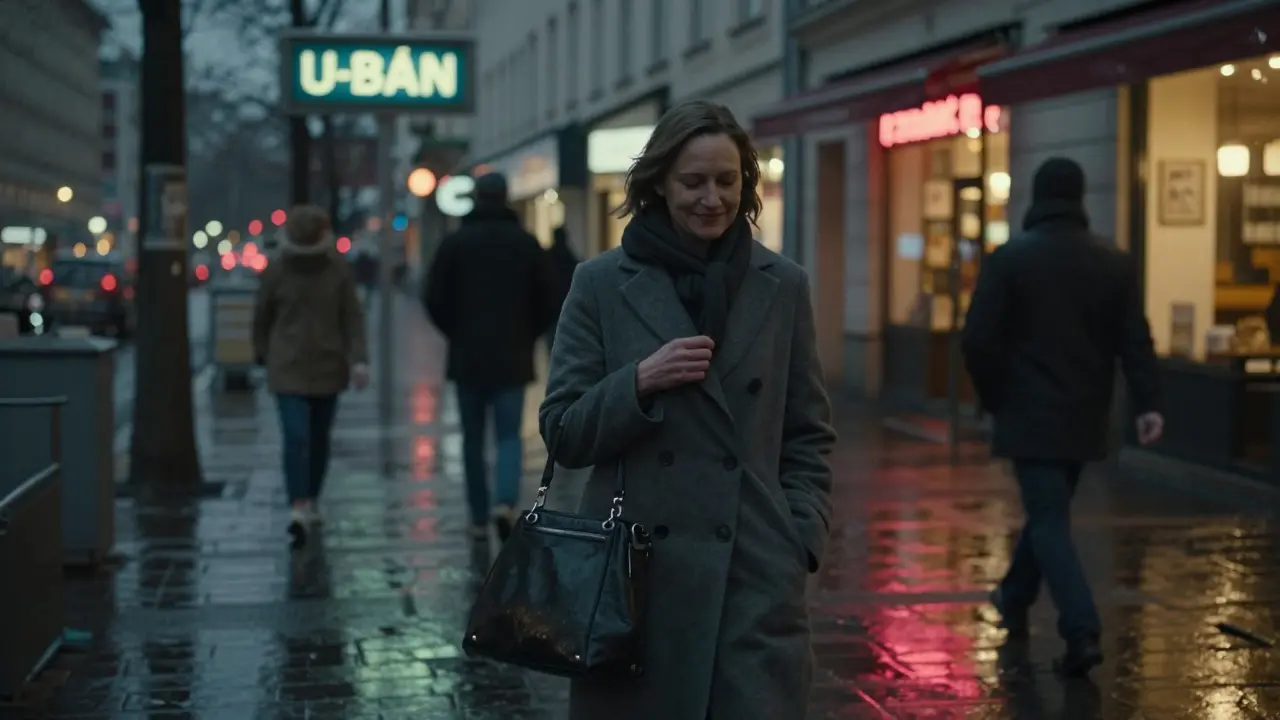
Most people think of Berlin’s high-class escorts as glamorous figures in designer dresses, disappearing into luxury cars after sunset. But the truth? Their lives are far more complex, quiet, and human than any stereotype suggests. You won’t find them on Instagram posing with champagne and diamonds. You’ll find them in quiet apartments in Charlottenburg, studying German literature between appointments, or taking the U-Bahn home after midnight, exhausted but still smiling for the next client.
How It Actually Starts
Many of these women didn’t wake up one day and decide to become escorts. For some, it began with a layoff. For others, it was the cost of living in Berlin-rent in Mitte jumped 40% between 2020 and 2024, and salaries didn’t keep up. One woman, who asked to be called Lena, worked as a translator for a decade before switching. "I was making €2,800 a month. My rent was €1,600. I had no savings. I thought: I can use what I already have-my language skills, my presence, my ability to listen-and make more in one night than I did in two weeks." It’s not about desperation. It’s about agency. Most high-class escorts in Berlin operate independently, set their own rates (typically €300-€800 per hour), and choose their clients. They use encrypted apps, not public platforms. They screen aggressively. They’ve learned to say no.The Client List Isn’t What You Think
There’s a myth that these women serve only wealthy businessmen or foreign tourists. The reality? Berlin’s high-end escort clients are often local. A 52-year-old architect from Prenzlauer Berg. A retired university professor who misses deep conversation. A single father who just needs someone to talk to after putting his kids to bed. One escort told me she’s had clients who cried during their first session-not because of sex, but because no one had asked them how they were feeling in years.There’s no uniform profile. Some clients want companionship. Others want silence. A few want roleplay. But the common thread? They’re not looking for a fantasy. They’re looking for connection-on their terms, in a space where judgment is suspended.
The Rules They Live By
These women don’t work in brothels. They don’t take clients from the street. They follow a strict code, often passed down through word of mouth. Here are the unspoken rules:- Never share personal details-no last names, no addresses, no social media.
- Always meet in neutral, safe locations-hotels, private studios, or the client’s home if vetted.
- Never accept cash without a prior agreement. Digital payments are standard.
- Leave the door open if meeting at home. Always have a way out.
- Trust your gut. If something feels off, cancel. No explanation needed.
One escort, who’s been doing this for seven years, keeps a handwritten notebook. Not of clients’ names, but of their quirks: "Client 12: hates loud music, brings his own tea, always asks about my dog." She says it’s not about manipulation-it’s about respect. "They’re paying for presence. I give them mine. That’s the deal."
The Emotional Labor Nobody Talks About
This isn’t just physical work. It’s emotional labor. Many escorts become skilled listeners. They learn to read silence. They know when to ask a question and when to stay quiet. They’ve heard confessions about divorce, grief, addiction, and regret. One woman said she once held a client’s hand for 20 minutes while he sobbed about losing his wife to cancer. He didn’t touch her. He just needed someone to sit with him.There’s no therapist on call. No union. No paid time off. Many of them see a counselor privately. Some journal. Others go to yoga or run in the Tiergarten to reset. One escort told me she keeps a list of things she loves about herself-"My laugh. My ability to fix a leaky faucet. My cat’s name is Momo."-and reads it after a hard day.
Legal Gray Zones and the Cost of Visibility
Prostitution is legal in Germany, but advertising it isn’t. That’s why you won’t find billboards or websites for Berlin’s high-class escorts. They rely on referrals, trusted networks, and discreet online profiles that look like freelance consulting or personal assistance gigs. One woman uses a profile that says: "Professional companion for intellectual and cultural engagement." It’s not a lie. It’s just not the whole truth.Police don’t target them. But they don’t protect them either. If a client refuses to pay or becomes aggressive, there’s no legal recourse unless there’s physical violence. Most women avoid the system entirely. "I’d rather lose €500 than spend six months explaining myself to a cop who doesn’t get it," said one.

What Happens When They Quit?
Some leave after a year. Others stay for a decade. A few never do. But those who leave? They often vanish. No farewell posts. No interviews. One woman, who worked for eight years, moved to Lisbon. She now runs a small bookstore. She says she doesn’t talk about her past. "I don’t want my customers to be the reason people know me," she told me.There’s no retirement fund. No pension. Many save aggressively. Some invest in real estate. Others study for certifications-language teaching, interior design, psychotherapy. One former escort now runs a private tutoring business for expats. "I used to help people feel less alone. Now I help them pass exams. Same skill set, different stage."
The Misconceptions That Hurt
The biggest myth? That these women are victims. Many are not. They’re not exploited. They’re not trafficked. They’re not desperate. They’re professionals. They have degrees. They speak three languages. They pay taxes. They vote. They travel. They have friends who don’t know what they do-and that’s by choice.Another myth: they’re all young. The average age of high-class escorts in Berlin is 34. Many are in their 40s and 50s. One woman, 51, told me she started after her divorce. "I was told I was too old for love. So I decided to get paid for being loved."
Why This Matters
Berlin is a city that prides itself on freedom, tolerance, and individuality. But when it comes to sex work, especially high-end sex work, that tolerance vanishes behind closed doors. These women are part of Berlin’s hidden economy. They contribute to hotels, restaurants, car services, and local businesses. They pay rent. They support families. They live quietly, carefully, and with dignity.Maybe the real secret isn’t who they serve. It’s who they are when no one’s watching. They’re mothers. Artists. Students. Writers. Survivors. They’re not defined by what they do for money. They’re defined by how they choose to live-and how fiercely they protect their right to do so.
Are Berlin high-class escorts legal?
Yes, prostitution is legal in Germany under the Prostitution Act of 2002. However, advertising sex services is restricted. High-class escorts in Berlin typically operate independently, without public listings, and avoid platforms that could be flagged as brothel-related. They use encrypted apps, referrals, and discreet profiles to connect with clients. While the act itself is legal, the lack of formal protections means they often avoid police involvement unless there’s violence or fraud.
How much do high-class escorts in Berlin earn?
Earnings vary based on experience, location, and client type. Most charge between €300 and €800 per hour. Some top-tier escorts with specialized skills-like multilingual fluency, cultural knowledge, or professional backgrounds in psychology or law-can earn €1,000 or more per session. Many work 2-4 appointments per week, not daily, and often take weeks off to rest. Annual income for those who work consistently ranges from €50,000 to €150,000, depending on hours and rates.
Do these women have other jobs?
Many do. Some are full-time escorts, but a significant number balance this work with other careers. Common side jobs include freelance translation, teaching languages, interior design, writing, and therapy. Others study part-time for degrees in psychology, social work, or business. The flexibility of escort work allows them to pursue education or creative projects without being tied to a 9-to-5 schedule. One escort is currently completing a master’s in art history while working evenings.
How do they screen clients?
Screening is critical. Most use encrypted messaging apps like Signal or Telegram. They ask for full names, professional details, and sometimes verify LinkedIn profiles. They require upfront payment via bank transfer or cryptocurrency. Many refuse cash. They avoid clients who refuse to provide contact info, push for public meetings, or show signs of intoxication or aggression. Some keep a shared blacklist among trusted peers. If something feels wrong, they cancel without apology.
Is there a community or support system?
Yes, but it’s underground. There are no public groups or forums. Instead, women rely on tight-knit networks-often formed through referrals or past clients who become trusted contacts. Some meet monthly for coffee in quiet cafes, under aliases. A few have formed informal collectives that share safety tips, legal advice, and mental health resources. One group even pooled money to hire a private therapist who specializes in trauma and boundary-setting for sex workers. It’s not organized, but it’s real.
If you’ve ever wondered what happens behind the closed doors of Berlin’s luxury services, the answer isn’t in the glamour. It’s in the quiet resilience of women who chose their own path-and refuse to let society define them by it.