
Most people see Milan’s escort scene through the lens of glossy ads, Instagram filters, or whispered rumors. But what happens when the lights go off and the door closes? Behind the curated profiles and carefully worded bios are real people living complex, often misunderstood lives. This isn’t about fantasy-it’s about survival, choice, and the quiet realities of work that most never talk about.
They’re Not Who You Think They Are
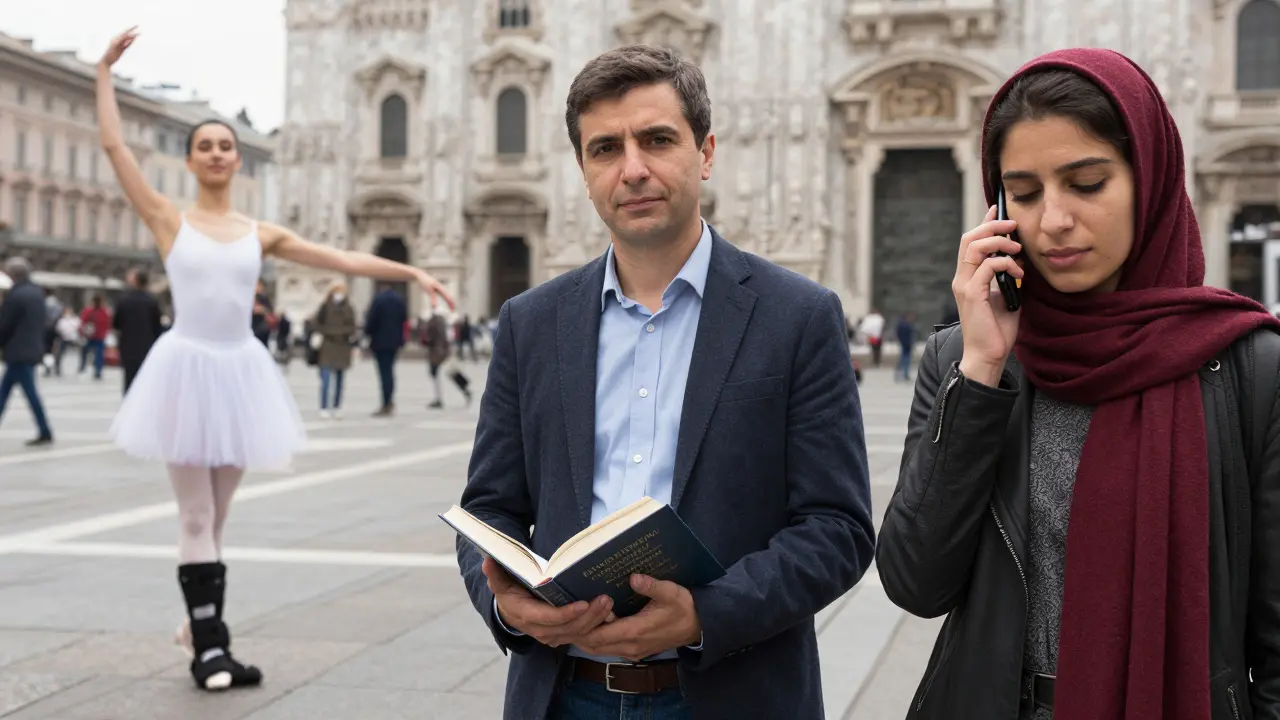
There’s a stereotype: young, glamorous, always smiling, always available. The truth? Milan’s private companions come from everywhere. A 29-year-old former ballet dancer from Bologna who switched to escorting after a knee injury. A 41-year-old university lecturer who tutors philosophy by day and offers companionship by night. A 34-year-old Syrian refugee who learned Italian while working in a café and now uses her language skills to connect with clients from the Middle East. None of them fit the mold.
Most don’t advertise on street corners. They don’t work in brothels. They use encrypted apps, vet clients through mutual contacts, and set strict boundaries. Many have full-time side gigs-a graphic design portfolio, a small online boutique, even a part-time job at a bookstore. Their escort work isn’t their main income. It’s a flexible, high-paying option that lets them control their time.
How It Actually Works
The process starts long before the first meeting. A client doesn’t just text ‘Are you free tonight?’ They go through a screening. The companion asks for a video call first. She checks their LinkedIn. She asks why they’re looking for company. Is it loneliness? Boredom? A need to feel seen? She doesn’t care if they’re rich. She cares if they’re respectful.
Meetings happen in quiet, non-descript apartments rented by the hour. Not luxury hotels. Not private villas. Just clean, neutral spaces with good lighting and no personal photos on the walls. The fee? Between €300 and €800 per hour, depending on experience, language skills, and whether the client is local or international. Payment is always digital-no cash, no trace.
Sex isn’t always part of the deal. Many clients hire companions just to talk, to have someone who listens without judgment. One woman told me she once spent six hours with a client who just wanted to cry. She didn’t charge extra. She didn’t take a photo. She just sat with him until he was done.
The Hidden Costs
There’s no union. No health insurance. No paid sick days. If you get sick, you cancel. If you’re emotionally drained, you still have to show up. Many use therapists, but they pay out of pocket. Some have PTSD from past clients. Others struggle with the stigma-losing friends, being cut off by family, watching strangers judge them on forums.
Legal risks are real. While prostitution itself isn’t illegal in Italy, soliciting in public, running a brothel, or advertising openly is. So everything is done quietly. No websites. No social media profiles with identifiable faces. No phone numbers tied to their real identities. They use burner phones, encrypted messaging, and cashless payments. One woman told me she changes her SIM card every three months. She doesn’t trust the system.
And then there’s the emotional toll. One escort, who asked to be called Marta, said she keeps a journal. Every night, she writes down what happened. Not the details. Just how she felt. ‘Some days I feel like a ghost,’ she wrote. ‘Others, I feel like the only real person in the room.’
Why Milan? Why Now?
Milan isn’t Rome or Venice. It doesn’t have the same tourist traffic. But it has something else: money, silence, and discretion. It’s a city of businesspeople, designers, and executives who travel alone. They don’t want drama. They don’t want headlines. They want someone who’s smart, calm, and doesn’t ask questions.
Post-pandemic, demand shifted. More people are working remotely. More are lonely. More are tired of dating apps that feel transactional. A growing number of clients are looking for emotional connection, not just physical. That’s changed the game. The most successful companions now aren’t the ones with the best photos. They’re the ones who can hold a conversation about climate policy, recommend a good book, or remember your dog’s name from last time.
Italian law doesn’t protect them-but the city’s culture does. Milan doesn’t talk about this. But it doesn’t stop it either. There’s a quiet understanding: if you’re not causing trouble, no one will come knocking.
What Happens When They Quit?
Most don’t stay in this work forever. Many leave by their mid-30s. Some go back to school. Others start businesses. One former companion opened a small wellness studio in Brera, offering massage and mindfulness sessions. Another became a freelance translator for luxury fashion brands. A few moved abroad-Portugal, Spain, Canada-where the stigma is lighter.
But leaving isn’t easy. Many have no savings. No credit history. No references. They’ve been invisible to the system. One woman told me she spent two years rebuilding her life after quitting. She had to apply for a new ID, open a bank account under a different name, and convince a landlord she wasn’t a risk. ‘I had to prove I was real,’ she said. ‘And I wasn’t sure I was anymore.’
They’re Not Victims. They’re Not Criminals.
People want to simplify this. Either they’re exploited or they’re predators. The truth is messier. Most of these women chose this path because it gave them autonomy. They control their hours. They set their prices. They walk away when they want to. They’re not trapped. They’re strategic.
But that doesn’t mean it’s easy. Or safe. Or fair. They’re working in a legal gray zone, with no safety net. They’re not asking for pity. They’re asking to be seen as human.
Next time you see a woman in a tailored coat walking into a quiet apartment building in Naviglio, don’t assume. Don’t judge. You don’t know her story. And you never will.
Is it legal to hire an escort in Milan?
Yes, paying for companionship is not illegal in Italy. However, public solicitation, running a brothel, or advertising escort services openly is. That’s why most private companions operate quietly-using encrypted apps, vetting clients, and meeting in non-descript locations. The law doesn’t protect them, but it also doesn’t actively police them unless there’s a complaint or public disturbance.
Do escorts in Milan usually have other jobs?
Many do. Some are artists, translators, tutors, or freelancers. Others run small online businesses. For most, escort work isn’t their primary income-it’s a flexible, high-paying option that lets them control their schedule. One woman I spoke with works as a freelance graphic designer during the day and meets clients in the evenings. She says it gives her financial independence she wouldn’t have otherwise.
Are sex services always included?
No. Many clients hire companions for conversation, emotional support, or simply to feel connected. Some companions explicitly state in their profiles that sex is not part of the arrangement. Others set boundaries based on the client’s behavior and intentions. It’s less about physical intimacy and more about presence-being there, listening, and not judging.
How do escorts protect their privacy?
They use burner phones, encrypted messaging apps like Signal, and never share personal details. Meetings happen in rented apartments-not hotels-with no identifying items in the room. Payments are digital, with no cash trail. Many use pseudonyms, avoid social media, and change their SIM cards regularly. Some even use different bank accounts or cryptocurrency to avoid linking income to their real identity.
What happens to escorts after they leave the industry?
Many transition into other careers-freelancing, education, wellness, or small business ownership. But leaving isn’t simple. Without formal employment history, credit records, or references, rebuilding a life can be hard. Some change their names, move cities, or even relocate abroad. Others open businesses that let them stay anonymous-like a yoga studio or translation service. The biggest challenge isn’t money-it’s being seen as more than what they once did.